
Their Role in Preventive Healthcare
Most of us have had blood drawn at some point, whether for a checkup, before a surgery, or because a doctor wanted to rule something out. It’s one of the most routine things in medicine, and for good reason. One small sample can tell your doctor a surprising amount about how your body is doing. It can flag problems early, track a condition you already have, and show whether a treatment is working.
Blood tests aren’t only for when you’re sick, though. They play a big part in preventive care too. Based on your age, health history, risk factors and any symptoms you have, your doctor may suggest certain tests as part of a routine checkup.
That doesn’t mean you need every test, every year. Which tests make sense for you, and how often, depends on your situation. That’s a call best made with a qualified doctor.
Why Are Blood Tests Important?
Your blood carries signs of a lot of what’s going on inside your body. When a lab analyzes a sample, your doctor gets a look at several systems at once. That helps with diagnosis, with keeping an eye on ongoing conditions, and with judging how well a treatment is going. It’s also why blood work shows up so often in routine health checks.
Depending on what your doctor is looking for, a blood test can tell you about:
- Blood glucose levels
- Cholesterol and other blood lipids
- Red and white blood cells
- Liver-related markers
- Kidney function
- Thyroid function
- Certain nutritional markers
- Other substances relevant to your health
Here’s the thing: some conditions don’t cause any obvious symptoms early on. You can feel completely fine. The right screening test can sometimes pick up a problem before you notice anything, which gives your doctor a chance to decide whether you need further tests or treatment.
Common Blood Tests Used in Healthcare
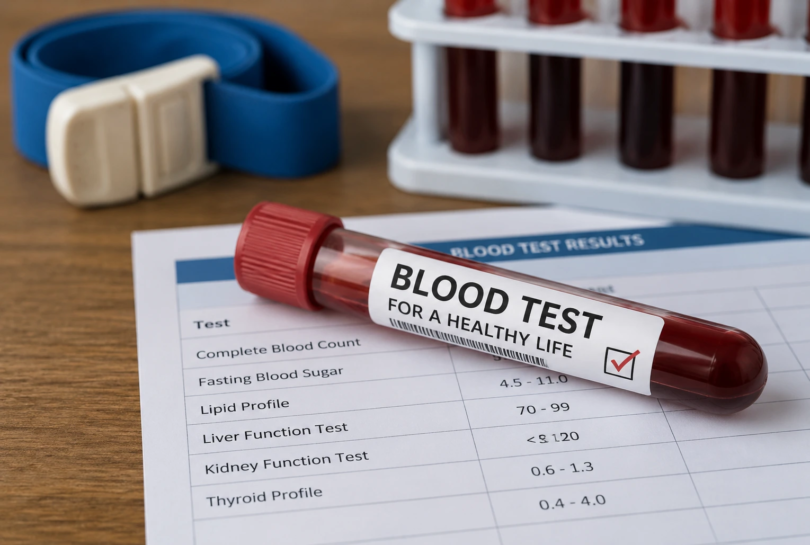
1. Complete Blood Count (CBC)
A CBC looks at the main types of cells in your blood: red blood cells, white blood cells and platelets.
It’s one of the most common tests in a routine checkup. It can help your doctor look into things like anemia, infection and other blood-related problems. It’s also used to keep track of some ongoing conditions and treatments.
On its own, a CBC usually needs no special preparation. But if other tests are being run on the same sample, you may need to fast or prepare in some other way.
2. Blood Glucose and HbA1c
A blood glucose test shows how much sugar is in your blood at the moment the sample is taken. Some versions of this test need you to fast, and others don’t.
HbA1c works differently. Instead of a snapshot, it gives an average of your blood sugar over roughly the last two to three months. And you don’t need to fast for an A1C test.
Doctors use these tests to check for diabetes or prediabetes, and to monitor people who already have diabetes. Which one you’ll need depends on your situation.
3. Lipid Profile
A lipid profile measures fats in your blood, mainly cholesterol and triglycerides. It’s often part of assessing your risk of heart disease. It’s also used to monitor people with abnormal lipid levels or other heart-related risk factors.
Whether you need to fast for it varies. Some lipid tests can be done without fasting, while in certain situations or testing protocols you may be asked to fast. Just follow whatever your doctor or the lab tells you.
4. Liver Function Tests
Liver function tests measure substances in your blood that show how well your liver is working.
Your doctor might order them to look into symptoms, keep an eye on an existing condition, check how certain medicines are affecting you, or investigate other concerns.
How you prepare depends on exactly which tests are ordered and whether they’re part of a bigger panel.
5. Kidney Function Tests
Kidney tests measure creatinine and other markers to see how well your kidneys are doing their job.
They matter most for people who have conditions or risk factors that can affect the kidneys. Depending on the wider panel, your doctor may also ask for a urine test or other investigations.
6. Thyroid Tests
Thyroid tests check how well your thyroid gland is working. TSH (thyroid-stimulating hormone) is usually the first test done. Depending on your symptoms and situation, more thyroid tests may follow.
Not everyone needs thyroid testing on the same schedule. Your doctor can decide whether it makes sense for you based on your symptoms, medical history and other factors.
Do You Need to Fast Before a Blood Test?
This is probably the question people ask most before getting blood drawn.
The short answer: it depends on the test.
Fasting usually means having nothing to eat or drink except plain water for a set number of hours beforehand. Food and some drinks can briefly change the levels of certain substances in your blood, and that can affect some results.
Some tests and panels need fasting. Plenty don’t. A CBC on its own usually needs no preparation, for example, and you don’t need to fast for an HbA1c test.
So don’t assume every blood test means skipping breakfast. Go by the specific instructions from your doctor or the lab.
Can You Drink Water Before a Blood Test?
If your test needs fasting, plain water is usually fine, unless your doctor has told you otherwise.
Coffee, tea, juice and soft drinks are a different story. They can affect certain results, so they may be off-limits while you’re fasting.
Drinking enough water can sometimes make it easier to draw blood. Still, the instructions for your specific test always come first.
Not sure? Check with the lab or your doctor before your test day.
What About Medicines and Supplements?
Let your doctor know about every medicine, vitamin and supplement you take. Some of them can affect lab results.
That said, don’t stop or change a prescribed medicine on your own just because you have a blood test coming up. Only change your medication if the doctor treating you specifically tells you to.
If you need to fast, it’s worth asking whether you should still take your regular medicines with water before the test.
Why Preventive Testing Should Be Individualized
Preventive care doesn’t mean getting every available blood test every year.
The right tests for you can depend on:
- Age
- Family history
- Existing medical conditions
- Lifestyle and other risk factors
- Previous test results
- Current symptoms
- Medicines being taken
- Recommendations from your doctor
Take diabetes screening as an example. Whether you should be screened for prediabetes and type 2 diabetes depends on your age, weight and other risk factors. The USPSTF recommends screening certain adults aged 35 to 70 who have overweight or obesity. That alone shows screening isn’t one-size-fits-all.
How often you get tested varies too. If you’re being monitored for an existing condition, you’ll probably need tests more often than someone with no relevant risk factors.
What matters is getting the tests that are actually useful for you, not as many tests as possible.
Preparing for Your Blood Test
A few simple steps can make test day go more smoothly:
- Check whether you need to fast.
- If you do, ask how long the fast should be.
- Follow the lab’s instructions for your specific test.
- Tell your doctor about any medicines, vitamins and supplements you take.
- Keep taking prescribed medicines unless you’ve been told to stop.
- Drink plain water while fasting, if it’s allowed.
- Follow any instructions about exercise, smoking, alcohol or particular foods.
Preparation can differ a lot from one test to another. According to MedlinePlus, some lab tests may call for fasting, avoiding certain foods or drinks, skipping strenuous exercise, or following other instructions.
What Happens During Blood Collection?
Most blood tests involve taking a small sample from a vein, usually in your arm.
You may feel a quick pinch or sting as the needle goes in. Some people get a little soreness or a bruise afterwards, which normally clears up on its own.
If needles make you nervous, tell the person drawing your blood beforehand. It can help.
The Role of Blood Tests in Preventive Healthcare
Blood tests are just one piece of preventive care. A full health assessment might also include your medical history, a physical exam, a blood pressure check, a look at your lifestyle, and other tests where needed.
The real value lies in reading the results in context. An abnormal result doesn’t automatically mean you have a disease, and a normal result doesn’t rule out every possible problem.
Your doctor may compare your latest results with earlier ones and weigh them against your symptoms, history and other findings before deciding whether you need further tests.
If you’re thinking about preventive screening, a comprehensive full body checkup in Delhi can bring several common health checks together in one go, depending on your needs and your doctor’s advice.
Conclusion
Blood tests can tell you a lot about your health, and they’re an important part of preventive care. CBC, blood glucose, HbA1c, lipid profile, liver tests, kidney tests and thyroid tests each have their place, depending on what you need.
But there’s no single set of tests that’s right for everyone. The tests you need, how often you need them, and how to prepare all depend on your circumstances and your doctor’s advice.
Knowing why a test is being done and how to get ready for it helps you take a more active part in your own healthcare. If you’re ever unsure about fasting, medicines or anything else, check with your doctor or the lab before your test.
About Qris Health
Qris Health is a digital healthcare and diagnostics platform that enables customers to access diagnostic testing and healthcare services online.