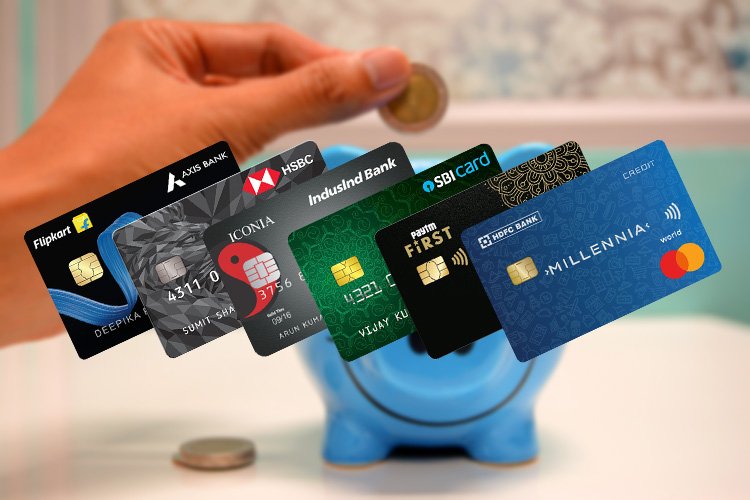

Many people build their financial plans around Fixed Deposits, Mutual Funds and a Savings Account — and stop there. The cards in the wallet are rarely counted toward that plan.
A Credit Card is a spending tool, but it also does more for your financial future than most people realise. Your spending patterns on your card significantly build your borrowing capacity, provided you understand how it works.
Still unsure how this card helps with long-term financial planning? Here’s all you need to know.
How a Credit Card builds your credit score
Most people ignore their credit score completely — until the day they apply for a Home Loan, and suddenly it matters a great deal. The truth is, your score builds up or goes down every month, based on your spendings, repayment patterns, and so on.
Paying your Credit Card bill every month sounds basic — but that consistency is exactly what lenders look for. Before approving a secured loan, most banks pull your repayment history, and a clean record can make a real difference to the rate you are offered or the final approval.
Even a marginally better rate on a secured loan translates to lakhs of rupees saved over the repayment period — something that starts with small, consistent habits today.
Managing cash flow without touching your savings
One of the less obvious benefits when you apply for a free Credit Card (or a regular card) in long-term planning is its ability to protect your savings. Life throws up large expenses unexpectedly — a medical procedure, a home repair or your child’s education fee.
Without a card, many people instinctively dip into their Fixed Deposits or Savings Accounts, sometimes breaking investments prematurely and losing interest in the process.
A Credit Card lets you handle these moments without disturbing your savings. You use the card, your investments stay intact, and you repay the balance at the end of the billing cycle.
Over the years, this habit of protecting your long-term savings — even during short-term needs — makes a real difference to your overall wealth.
Earning rewards that compound over time
Rewards and cashback do not feel like much when you look at a single month. But if you use a Credit Card regularly for a few years, it all adds up — the points from your grocery runs, the cashback from fuel, the vouchers from online shopping and so on.
Many cardholders find they have accumulated rewards worth thousands of rupees without actively trying. Think of it as a small return on spending you would do regardless — a passive benefit that costs you nothing extra as long as you are paying your balance in full each month.
Habits that work for you
Using a Credit Card does require a little responsibility. You must know when to take control and when to let loose, because carelessness may not be the best in most cases.
Here are some quick habits you can adopt.
- Maintain your spending limit to a maximum of 30% of your card limit
- Set monthly due date reminders to ensure you pay the bill on time
- Download and assess your card statements to understand your spending habits and make changes as and when required
Conclusion
A Credit Card is not separate from your long-term financial plan — it is part of it. Build good habits around it early, and the difference will show up in ways that actually matter. For instance, your credit score is essentially your report card, evaluated by financial institutions and banks before sanctioning a loan.
Ready to apply for a free credit card online? You only need a few minutes, an internet connection and a phone or laptop. Just visit the bank’s website, complete the formalities (like video KYC) and submit the documents, and you are all set.