
Understanding amino acids means understanding a big part of how the body actually works every single day, from how you recover after a workout to how clearly you can think during a long workday. These tiny compounds are more than protein buzzwords. They sit at the center of human nutrition, metabolism, and physical well-being across all stages of life.
What Amino Acids Actually Are
Amino acids are small molecules that the body strings together to build proteins, which then form muscle tissue, organs, enzymes, and many hormones. Out of the 20 amino acids used in human proteins, nine are called essential because you must get them from food or supplementation; the body cannot make them on its own.
Nutrition science usually groups them into three practical categories. Essential amino acids (EAAs) such as leucine, lysine, and tryptophan are required from the diet, while non‑essential amino acids can be produced by the body under normal conditions. A third group, often described as conditionally essential, becomes more important during illness, injury, high stress, or very intense training, when internal production may not keep up with demand.
Amino Acids in Everyday Nutrition
When you eat protein, digestion breaks it down into individual amino acids, which are then absorbed and reassembled into the specific proteins your body needs at that moment. This constant turnover supports growth in children, preserves lean mass in adults, and helps older adults slow age‑related muscle loss, a key part of healthy aging.
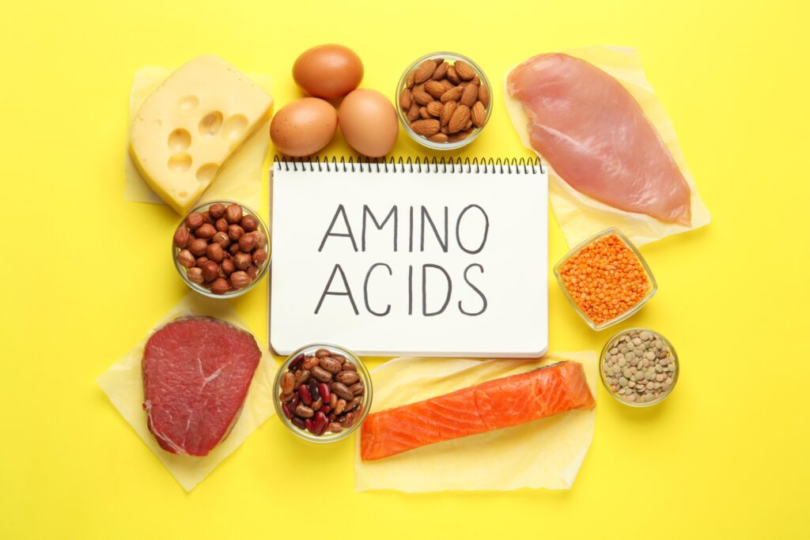
Good dietary sources include animal and plant proteins. Eggs, dairy, poultry, fish, and lean red meat typically provide a complete essential amino acid profile in each serving, which is why they play such a big role in classic sports nutrition plans. Plant proteins such as beans, lentils, soy, quinoa, seeds, and nuts can also deliver all the essentials when combined thoughtfully across the day, which matters for vegetarians and vegans focused on performance as well as general health.
Muscle Health, Performance, and Recovery
For anyone who lifts weights, runs, cycles, or simply wants to stay strong and mobile, amino acids are directly tied to exercise performance and recovery. Branched‑chain amino acids (BCAAs) such as leucine, isoleucine, and valine are especially important because they help trigger muscle protein synthesis and support repair after resistance training or endurance sessions.
Research in sports science shows that adequate intake of essential amino acids can:
- Support muscle rebuilding after exercise and help limit muscle breakdown during hard training blocks or calorie deficits.
- Improve recovery, endurance, and training adaptations when paired with progressive exercise and overall balanced nutrition.
This is why so many performance and recovery strategies focus not just on total protein but on amino acid quality, timing, and distribution across meals and snacks.
Beyond Muscle: Hormones, Immunity, and Brain Function
The role of amino acids extends far beyond visible muscle or gym performance. Several amino acids act as precursors for hormones and neurotransmitters, influencing mood, sleep, stress response, immune health, and overall metabolic balance.
Tryptophan, for example, can be converted into serotonin, a neurotransmitter involved in mood and sleep regulation, which links amino acid intake indirectly to emotional well-being and recovery quality. Arginine and related amino acids help regulate blood flow and cardiovascular function through their involvement in nitric oxide production, which can affect endurance and vascular health. Glutamine supports immune cells and gut integrity, especially under heavy training load, illness, or chronic stress, making it a frequent focus in discussions around immune support and gut health.
When Supplementation Makes Sense
A well‑planned diet can usually cover day‑to‑day amino acid needs, but targeted supplementation can be useful in specific situations such as intense athletic training, periods of high stress, restricted diets, or very focused body‑composition goals. In those cases, concentrated essential amino acid blends or specific amino acids like BCAAs, glutamine, or arginine may support performance, recovery, muscle maintenance, and overall wellness when used alongside whole foods.
Because quality and purity really matter with research‑grade amino acids, many people look for suppliers that provide transparent testing, clear labeling, and accessible certificates of analysis. Providers such as, kimera chems for instance, specialize in research chemicals and amino acids, giving practitioners and experienced users access to clearly defined compounds that can be integrated into carefully designed protocols.
Putting It All Together for Well-Being
In practical terms, taking amino acids seriously is less about chasing a single magic supplement and more about building a consistent nutritional foundation that serves your training, energy, and long‑term health. That means eating enough protein regularly through the day, mixing animal and plant sources where possible, and layering in targeted amino acid support only if training load, age, or health status raises your requirements.
Seen that way, amino acids are not just abstract biochemistry or technical terms buried in a nutrition label. They are a living link between what is on your plate, how your cells function, and how strong, clear‑headed, and resilient you feel as you move through daily life.
Author Bio:
James Hammer is a wellness researcher and fitness writer who helps adults stay sharp, strong, and active through every stage of life. He explores cognitive health, smart supplementation, and healthy-aging strategies — including how to buy nootropics responsibly for personal research and performance exploration.